Introduction
Epilepsy is a complex neurological problem that influences countless individuals worldwide. For health care experts, comprehending epilepsy and handling its effect on patients' lives is essential. This extensive overview delves into the numerous epilepsy training courses available for medical care specialists, including registered nurses, carers, and support employees. Whether you're seeking specialized epilepsy management training or general understanding training, this guide will certainly provide you with the expertise and resources necessary to enhance your abilities in supporting individuals with epilepsy.
The Ultimate Guide to Epilepsy Training Courses for Healthcare Professionals
In the ever-evolving landscape of medical care, continual education and learning is crucial. The Ultimate Overview to Epilepsy Training Courses for Health care Professionals details crucial aspects of epilepsy education, covering every little thing from seizure management training to details programs tailored for numerous duties in the healthcare system.
What is Epilepsy?
Epilepsy is defined as a chronic problem identified by recurrent, unprovoked seizures. Seizures result from abnormal electric task in the mind and can show up in numerous types, each needing different administration techniques. Understanding the nature of epilepsy is crucial for any kind of healthcare professional managing affected patients.
Why is Epilepsy Training Important?
Training in epilepsy furnishes medical care professionals with crucial skills needed to manage seizures effectively. It promotes self-confidence amongst team when responding to emergencies connected to seizure episodes. In addition, it boosts person security and treatment quality.
Who Should Take Epilepsy Training Courses?
- Nurses: Nurses often play a pivotal duty in client assessment and care planning. Support Workers: They are on the cutting edge giving help to individuals dealing with epilepsy. Carers: Member of the family or worked with caregivers can profit immensely from recognizing seizure management. Educators: Those who work within institutions can discover just how to sustain trainees with epilepsy adequately.
Different Types of Epilepsy Training Courses
Epilepsy Recognition Training- Focuses on increasing recognition regarding epilepsy's symptoms, activates, and treatment options.
- Teaches participants just how to respond throughout a seizure episode effectively.
- Covers pharmacological treatments made use of in handling epilepsy.
- Tailored for service providers functioning under the National Disability Insurance Policy Plan (NDIS) framework.
- Specialized training focused on boosting nurses' skills worrying epilepsy care.
- Provides sensible guidance on administering emergency treatment during a seizure episode.
- Comprehensive programs that furnish specialists with devices for all natural management of individuals with epilepsy.
Key Parts of Effective Epilepsy Training
Effective training should encompass numerous core parts:
- Knowledge of various kinds of seizures Understanding of medical therapies available Practical abilities in carrying out first aid Strategies for producing encouraging environments
Understanding Seizures: What Health Care Professionals Need to Know
Types of Seizures
Different sorts of seizures need diverse feedbacks:
Generalized Seizures: Impact both sides of the brain; may consist of tonic-clonic seizures. Focal Seizures: Begin in one area and might affect consciousness. https://elliotasjb844.raidersfanteamshop.com/seizure-emergency-treatment-training-what-every-caregiver-ought-to-know Absence Seizures: Brief gaps in recognition typically mistaken for daydreaming.Recognizing Seizure Triggers
Common activates consist of:
- Sleep deprivation Stress Flashing lights Missed medicine doses
Epilepsy Management Approaches for Medical Care Professionals
Creating a Treatment Plan
An individualized treatment plan should include:
Patient history Medication regimen Emergency contact informationCommunication Strategies with Patients
Effective communication promotes count on between healthcare providers and individuals:
- Use clear language free from jargon. Encourage concerns from people or their families.
The Function of NDIS in Sustaining Individuals with Epilepsy
Understanding NDIS Epilepsy Supports
The National Handicap Insurance Scheme (NDIS) offers financing for people with impairments, including those dealing with epilepsy.
How NDIS Can Aid Healthcare Providers?
Healthcare carriers can seek guidance on ideal practices when functioning within the NDIS structure to ensure top quality treatment delivery.
The Relevance of Proceeding Education in Epilepsy Care
Keeping Updated with Existing Practices
Healthcare specialists have to remain abreast of evolving research and therapy approaches associated with epilepsy monitoring via proceeded education opportunities.
Top Carriers Offering Epilepsy Training Courses
Epilepsy Action Australia- Offers thorough sources and training programs focused on awareness and management strategies.
- Provides specialized nursing training courses tailored toward epilepsy administration to name a few conditions.
- Websites like Coursera or Udemy supply adaptable online programs varying from basic recognition training to sophisticated management practices.
FAQs Concerning Epilepsy Training Courses
Q1: That ought to enlist in these courses?

A1: Any individual involved in looking after individuals impacted by epilepsy-- nurses, assistance workers, carers-- should think about enlisting in these courses.
Q2: What subjects are covered in these training sessions?
A2: Subjects usually include seizure types, first aid action techniques, drug management, and creating supportive environments.
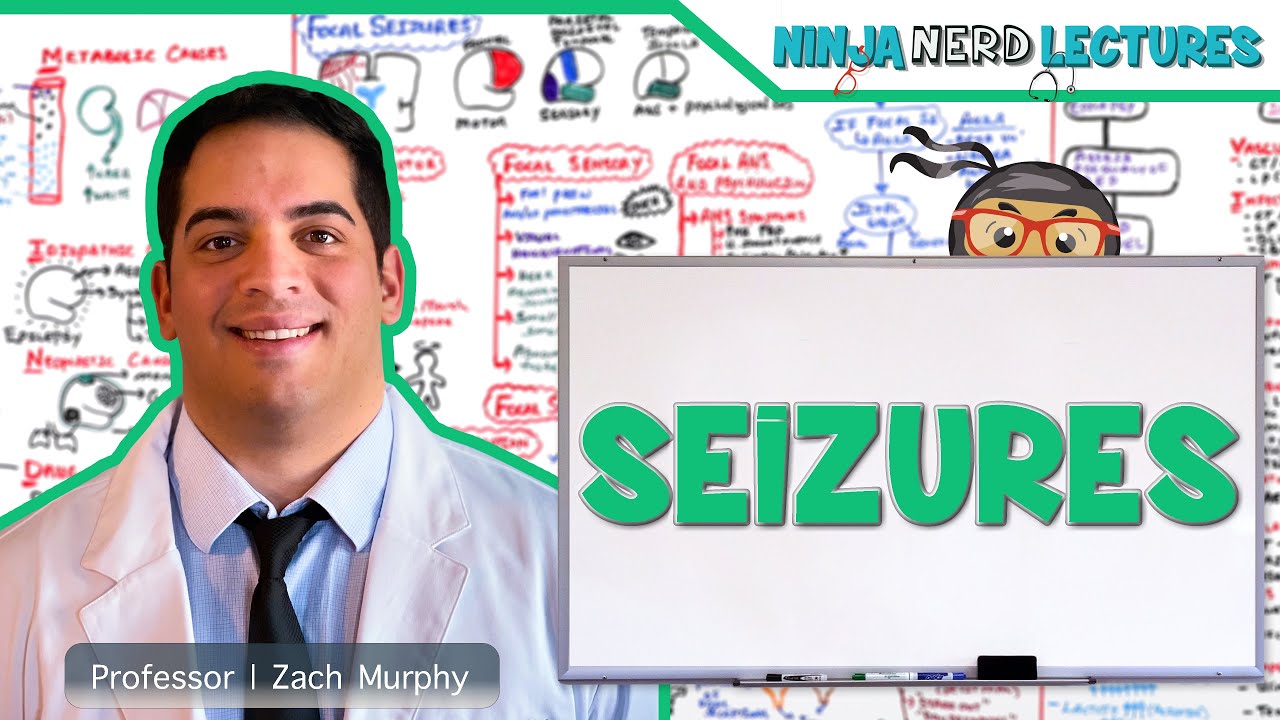
Q3: Are online training courses available?
A3: Yes! Numerous companies provide online components that permit participants flexibility while finding out at their own pace.
Q4: How much time do these courses usually take?
A4: Course duration differs however commonly varies between a couple of hours as much as several days depending on depth and complexity.
Q5: Is qualification provided upon completion?
A5: Many identified training programs use certifications upon successful completion as evidence of skill acquisition.
Q6: How can I discover particular training courses customized for NDIS workers?
A6: Discover regional wellness service carriers or specialized organizations that focus on special needs solutions under NDIS guidelines.
Conclusion
In recap, outfitting healthcare specialists with ample understanding regarding epilepsy with targeted training is crucial not only for reliable person treatment but additionally for fostering an atmosphere where individuals coping with this problem feel sustained and recognized. From nurses looking for added knowledge via continuous job growth opportunities to sustain workers desiring fundamental knowledge regarding seizure management-- the alternatives are plentiful!
By investing time into gaining this understanding with accredited programs like those pointed out throughout The Ultimate Guide to Epilepsy Training Courses for Health Care Professionals, we can enhance results not just medically yet holistically as well-- guaranteeing every specific gets compassionate care customized particularly according their distinct needs!
